Health and Safety Policy for Deep Cleaning Hammersmith
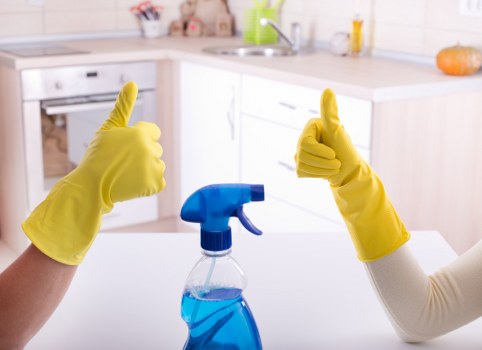 Deep Cleaning Hammersmith is committed to delivering services safely, responsibly, and with full regard for the wellbeing of staff, clients, visitors, and anyone affected by our work. This policy sets out the standards and practices that guide our operations, helping ensure that every deep cleaning service is carried out with care, control, and professionalism.
Our approach is built on a simple principle: cleaning should improve environments without creating unnecessary risk. Whether working in homes, offices, or shared premises, we aim to maintain safe systems of work, effective supervision, and clear communication. All team members are expected to follow this policy and support a culture of health, safety, and accountability.
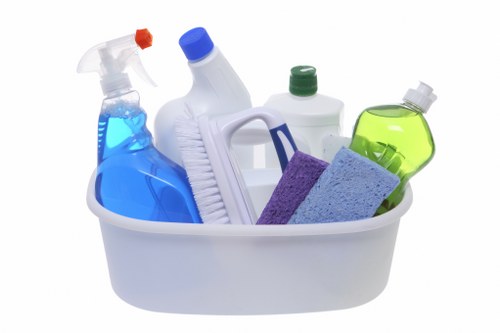 We recognise that every site is different, so risk management is central to our operations. Before any task begins, we assess the area, identify hazards, and decide what controls are needed. This may include securing wet floors, managing electrical risks, separating cleaning products, or limiting access to areas being treated. Deep cleaning in Hammersmith must always be planned with safety in mind.
Our Commitment to Safe Working
We provide all employees with appropriate training so they can use equipment correctly and understand the safe handling of chemicals, tools, and specialist cleaning materials. Training is refreshed regularly and adapted when new procedures or products are introduced. No worker should carry out a task unless they are competent to do so and confident in the required controls.
Protective equipment is used where needed, including gloves, masks, eye protection, or suitable footwear. The exact requirements depend on the job, the surface, and the products involved. PPE must be worn correctly, stored properly, and replaced when damaged or no longer effective. This helps reduce exposure and supports safe commercial and residential deep cleaning practices.
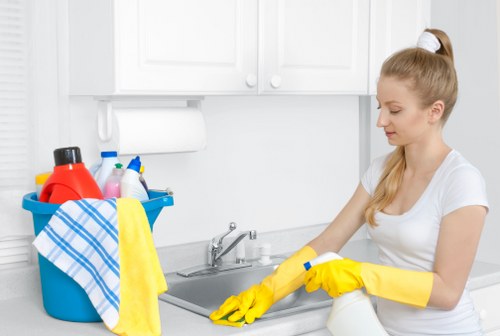 Cleaning chemicals are selected carefully and used according to manufacturer guidance. Products are labelled clearly and stored away from food, heat sources, and unauthorised access. Staff must never mix chemicals unless specifically instructed to do so in a controlled and approved process. Good ventilation is maintained wherever possible to reduce inhalation risks and improve working conditions.
Responsibilities of Staff and Supervisors
All workers are responsible for looking after their own safety and the safety of others. They must report hazards, damaged equipment, spills, incidents, and any concerns without delay. Supervisors are responsible for monitoring standards, checking that safe procedures are followed, and ensuring that any issue is dealt with promptly and effectively.
Manual handling is a common part of cleaning work, so staff are trained to lift, carry, push, and move items safely. Where possible, heavy or awkward objects should be avoided, split into smaller loads, or handled using suitable equipment. Team members are encouraged to ask for assistance rather than take unnecessary risks when moving furniture, waste, or supplies.
Equipment must be inspected before use and maintained in good condition. Faulty tools should be taken out of service immediately. Cables, machines, and accessories are checked regularly to reduce the chance of electric shock, tripping, or mechanical failure. Safe equipment use is essential to maintaining a reliable deep cleaning service and protecting everyone on site.
Risk Control and Emergency Response
 We put measures in place to control common cleaning risks, including slips, trips, falls, skin irritation, dust exposure, and contact with contaminated materials. Floors are marked or restricted where necessary, and cleaning areas are kept organised so that hazards are minimised. Waste is removed safely and disposed of in line with relevant requirements and internal procedures.
In the event of an accident or near miss, the priority is to secure the area, provide assistance, and report the incident immediately. First aid arrangements must be clear, and emergency procedures should be followed without delay. Staff are expected to understand basic response steps so they can act quickly if someone is injured or if a hazardous situation develops.
Infection control is also an important part of our policy. We use suitable hygiene practices, change cloths and cleaning materials as required, and avoid cross-contamination by separating tools for different tasks. Surfaces, touchpoints, and shared areas are cleaned in a controlled way to help protect occupants and maintain high safety standards throughout the service.
Monitoring, Review, and Continuous Improvement
Our health and safety policy is reviewed regularly to make sure it remains effective, practical, and aligned with current working practices. Feedback from internal inspections, incident reports, and operational reviews is used to improve procedures. This helps us strengthen the way deep cleaning services are delivered while maintaining a safe working environment.
We also expect a high standard of cooperation from everyone involved in the work. Clients and building occupants may be asked to keep clear of active cleaning zones, provide access to facilities, or notify us of any known risks before work begins. Clear communication helps us plan appropriately and prevents avoidable incidents.
 Ultimately, the success of this policy depends on consistency, vigilance, and shared responsibility. By maintaining training, using safe methods, and responding quickly to concerns, Deep Cleaning Hammersmith aims to carry out every task with professionalism and care. Safety is not separate from quality; it is a core part of every service we provide.